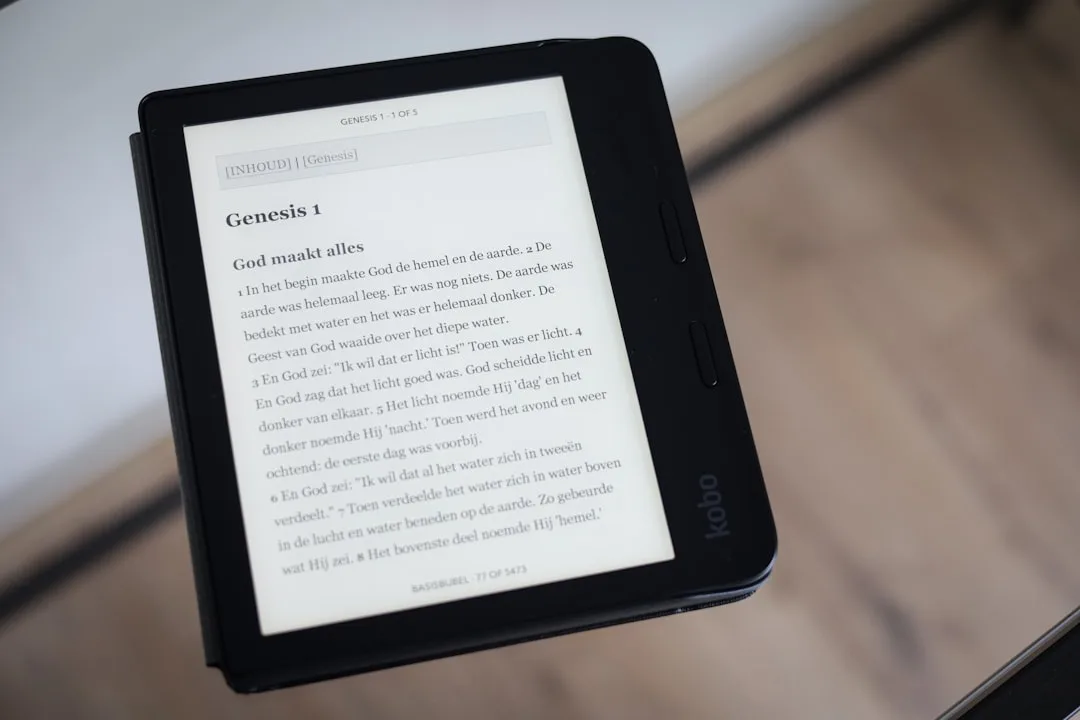
Introduction to Batch Ebook Conversion
In the rapidly evolving world of digital publishing, authors face the challenge of making their works accessible across multiple platforms and devices. The diversity of ebook formats and the need for compatibility with various readers can make the publishing process cumbersome and time-consuming. This is where batch ebook conversion emerges as a critical tool, enabling authors to efficiently convert multiple ebook files simultaneously, saving valuable time and effort.
Batch conversion not only streamlines the workflow for authors but also ensures consistent formatting and quality across all output files. By leveraging author tools designed for batch processing, writers can focus more on content creation rather than technical formatting issues. This article explores the nuances of batch ebook conversion, its benefits, challenges, and practical applications for authors aiming to optimize their publishing process.
Key Insight: Efficient batch ebook conversion can reduce manual formatting time by up to 70%, allowing authors to expand their reach without sacrificing quality.
Understanding Batch Ebook Conversion
Batch ebook conversion refers to the process of converting multiple ebook files from one format to another in a single, automated operation. Unlike individual conversions, batch processing handles numerous files simultaneously, which is especially useful for authors managing large collections or multiple versions of their works. This method significantly reduces the manual workload and speeds up the distribution process.
The core of batch conversion lies in the compatibility between various ebook formats such as EPUB, MOBI, PDF, and AZW3. Each format serves different devices and platforms; for instance, EPUB is widely supported across many e-readers, while MOBI is primarily used by Amazon Kindle devices. Understanding these formats and their specific requirements is essential for effective batch conversion.
For example, an author with a series of manuscripts in EPUB format might need to convert all files to MOBI to publish on Kindle. Doing this one by one can be tedious and prone to errors. Batch conversion tools automate this by applying uniform settings across all files, ensuring consistency and saving time.
However, it is important to note that batch conversion is not merely about changing file extensions. It involves reformatting, metadata adjustments, and sometimes re-encoding content to maintain readability and functionality across devices. This complexity necessitates using specialized author tools that support batch processing with customizable options.
Misconception Alert: Many assume batch conversion is just a bulk rename operation, but it actually involves complex file transformations to preserve formatting and metadata.
Key Ebook Formats and Their Role in Batch Conversion
A fundamental aspect of batch ebook conversion is understanding the ebook formats involved. The most common formats include EPUB, MOBI, PDF, and AZW3, each with unique characteristics and compatibility considerations.
- EPUB: An open standard format widely supported by most e-readers, including Apple Books and Kobo. It supports reflowable text, which adapts to different screen sizes, making it ideal for novels and general reading.
- MOBI: Originally developed by Mobipocket and later acquired by Amazon, MOBI files are primarily used on Kindle devices. It supports DRM and enhanced formatting but is less flexible than EPUB.
- PDF: A fixed-layout format that preserves the exact appearance of the document but is less adaptable to various screen sizes. PDFs are often used for textbooks and graphic-heavy content.
- AZW3: Amazon’s proprietary format for Kindle devices, offering advanced formatting features and DRM support.
Each format demands specific conversion processes to maintain content integrity. For instance, converting from EPUB to MOBI requires adjusting metadata and reformatting to comply with Kindle’s standards. Batch conversion tools must handle these nuances effectively to avoid formatting errors or loss of content.
| Format | Best For | Flexibility | DRM Support | Common Devices |
|---|---|---|---|---|
| EPUB | General e-readers | High | Optional | Kobo, Apple Books |
| MOBI | Kindle devices | Medium | Yes | Amazon Kindle |
| Fixed layout | Low | Optional | All platforms | |
| AZW3 | Advanced Kindle features | Medium | Yes | Amazon Kindle |
Understanding these differences helps authors choose the right target formats for their audience and ensures that batch conversion produces usable, high-quality ebooks.
For more on ebook formats, see the EPUB format and MOBI format articles.
Benefits of Batch Ebook Conversion for Authors
Batch ebook conversion offers multiple advantages that directly impact an author’s productivity and distribution capabilities. The primary benefit is time efficiency. Instead of converting files one by one, authors can process entire collections at once, freeing up hours otherwise spent on repetitive tasks.
Another significant advantage is consistency. Batch tools apply the same conversion settings across all files, ensuring uniform formatting, metadata, and cover images. This uniformity is crucial for maintaining a professional appearance across a book series or multiple editions.
Moreover, batch conversion facilitates multi-platform publishing. Authors can prepare their ebooks for different marketplaces simultaneously, converting from a master format like EPUB to various target formats such as MOBI or AZW3. This versatility expands reach and accessibility.
Finally, batch processing reduces the risk of human error. Manual conversions can lead to inconsistent metadata, formatting glitches, or missing elements. Automated batch tools minimize these issues by standardizing the process.
Practical Tip: Authors should back up their original files before batch conversion to prevent accidental data loss during automated processing.
Challenges and Considerations in Batch Ebook Conversion
While batch ebook conversion is a powerful tool, it is not without challenges. One major consideration is the quality control of converted files. Automated processes may overlook subtle formatting issues or metadata inaccuracies that require manual review.
Another challenge is format compatibility. Some ebooks contain complex layouts, images, or interactive elements that do not translate well across formats. For example, converting a richly formatted PDF into a reflowable EPUB might result in loss of design fidelity.
Batch tools also vary in their support for customization. Authors may need to tweak conversion parameters for specific titles or formats, which can be limited in some software. Selecting tools that allow granular control over output settings is essential.
Additionally, DRM (Digital Rights Management) restrictions can complicate batch conversion. Files protected by DRM may require removal or special handling before conversion, which involves legal and ethical considerations.
Common Mistake: Assuming batch conversion guarantees perfect output without post-conversion quality checks can lead to publishing errors and reader dissatisfaction.
How to Choose the Right Author Tools for Batch Conversion
Selecting the appropriate author tools for batch ebook conversion depends on several factors, including supported formats, ease of use, customization options, and output quality. A good tool should support all the major ebook formats relevant to the author’s publishing goals.
Ease of use is crucial, especially for authors without technical backgrounds. Tools with intuitive interfaces and clear workflows reduce the learning curve and speed up the conversion process. Features like drag-and-drop batch uploading and preset profiles can enhance productivity.
Customization capabilities allow authors to adjust metadata, cover images, and formatting options to suit specific needs. This flexibility is vital when preparing ebooks for different platforms with unique requirements.
Integration with other publishing tools, such as editing software or metadata managers, can streamline the entire ebook production pipeline. Some tools also offer batch conversion via command-line interfaces for advanced users seeking automation.
Using our free online converter, authors can easily convert batches of files from EPUB to MOBI or PDF, ensuring compatibility with Kindle and other devices.
For a deeper understanding of format specifics, consider exploring the PDF format and AZW3 format pages.
Practical Tips for Effective Batch Ebook Conversion
To maximize the benefits of batch ebook conversion, authors should follow best practices that ensure quality and efficiency:
- Organize source files: Keep your original ebooks well-organized with consistent naming conventions to simplify batch processing.
- Test with samples: Before converting large batches, run tests on a few files to verify output quality and settings.
- Backup originals: Always maintain backups of source files to prevent data loss.
- Review outputs: Conduct spot checks on converted files to catch formatting or metadata errors.
- Use metadata templates: Apply consistent metadata across all files to improve discoverability and professionalism.
- Leverage presets: Use conversion presets tailored to specific platforms (e.g., Kindle, Apple Books) to optimize compatibility.
Blockquote: “Batch conversion is a powerful ally for authors, but it requires careful preparation and review to ensure your ebooks shine across all devices.”
By following these guidelines, authors can harness the full potential of batch conversion tools and streamline their publishing workflows.
Conclusion: Embracing Batch Conversion for Efficient Ebook Publishing
Batch ebook conversion is an indispensable technique for modern authors seeking to expand their reach efficiently. By understanding the intricacies of various ebook formats and leveraging the right author tools, writers can automate tedious tasks while maintaining high-quality output.
The process not only saves time but also enhances consistency and broadens distribution possibilities. While challenges such as format compatibility and quality control exist, they can be mitigated through careful tool selection and diligent review.
For authors looking to explore related topics, learning more about converting between PDF and EPUB, or understanding metadata management, can further enhance publishing success.
Final Thought: Embrace batch ebook conversion as a strategic time-saver that empowers you to focus on what truly matters—crafting compelling stories and reaching readers worldwide.
Frequently Asked Questions
How to Choose the Right Author Tools for Batch Conversion?
Selecting the appropriate author tools for batch ebook conversion depends on several factors, including supported formats, ease of use, customization options, and output quality. A good tool should support all the major ebook formats relevant to the author’s publishing goals.
Related Articles



Ready to Convert Your Files?
Use our free online file converter supporting 240+ formats. No signup required, fast processing, and secure handling of your files.
Convert Files