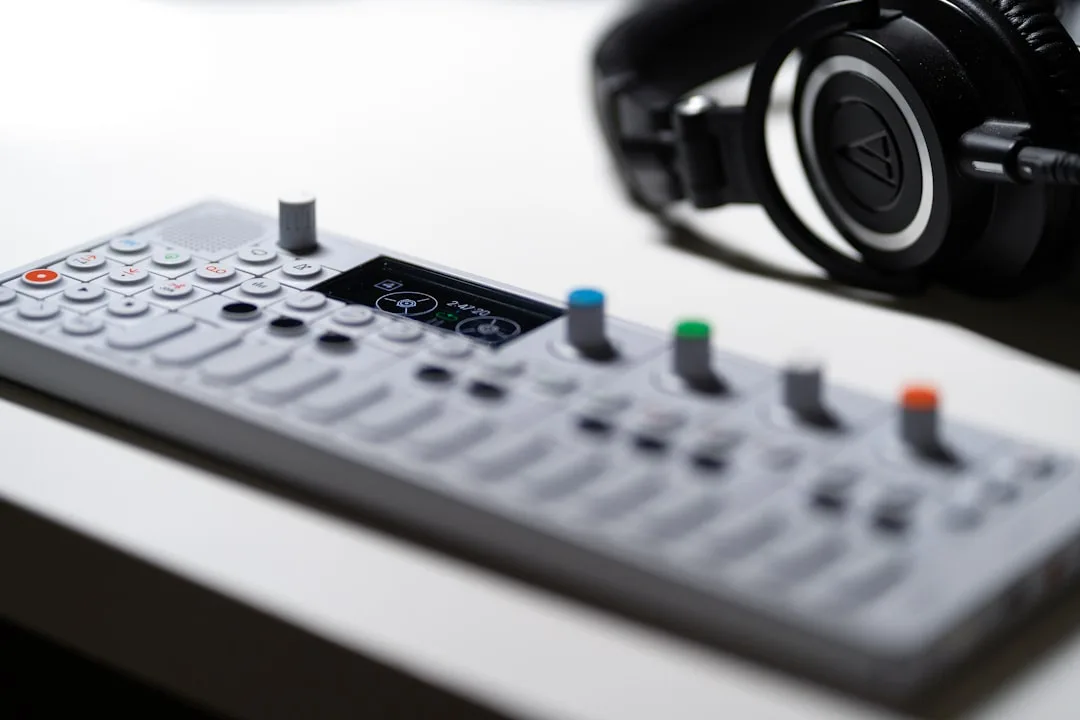
Introduction to Audio Formats in Live Events
When planning a live event, one of the most critical factors to consider is the audio format used for sound transmission and recording. The choice of audio format significantly impacts the audio quality, compatibility with playback systems, and the overall experience of attendees. Whether it’s a concert, conference, or theatrical performance, selecting the appropriate format can make the difference between crystal-clear sound and frustrating audio issues.
Understanding the nuances of various audio formats is essential for event planners, sound engineers, and technical teams. This article explores why the audio format live events rely on matters so much, how it influences audio quality, and what considerations should guide your decision-making process.
Key Insight: The right audio format ensures seamless integration with equipment, reduces latency, and preserves sound fidelity, all of which are vital for a successful live event.
Understanding Audio Formats and Their Impact on Live Events
Audio formats define how sound is digitally encoded, stored, and transmitted. Formats vary widely, from uncompressed types like WAV to compressed ones such as MP3 or AAC. For live events, the choice between these formats affects not only the audio quality but also the reliability and latency of sound delivery.
The WAV format is a popular uncompressed audio format that preserves the highest fidelity, making it ideal for professional live sound applications where quality is paramount. However, WAV files are large and require more bandwidth, which may not be practical for all live streaming or broadcasting scenarios.
In contrast, compressed formats like MP3 or AAC reduce file size by removing audio data deemed less perceptible to human ears. While this saves bandwidth and storage, it can introduce compression artifacts and reduce clarity, which may be noticeable in large venues or high-fidelity setups. The MP3 format is widely supported but may not always deliver the best experience for live events where audio quality is crucial.
Practical Application: For live events that involve recording or streaming, using lossless or high-bitrate formats ensures that the audience hears the performance as intended. Meanwhile, compressed formats might be suitable for background music or less critical audio streams.
Why Audio Quality is Paramount in Live Event Planning
The audio quality of a live event directly influences audience engagement and satisfaction. Poor sound can distract or frustrate attendees, regardless of the event’s content or visual elements. Therefore, event planners must prioritize formats that preserve clarity, dynamic range, and spatial cues.
High-quality audio formats support wider frequency ranges and lower distortion, which are essential for capturing the nuances of live performances. For example, the FLAC format offers lossless compression, maintaining original sound fidelity while reducing file size compared to WAV. This balance makes FLAC a strong candidate for live event recordings that require both quality and efficiency.
However, the choice of format also depends on the playback and transmission infrastructure. Some venues or streaming platforms may not support certain formats, necessitating conversion or fallback options. Understanding the compatibility landscape is critical to avoid technical glitches during the event.
Common Misconception: Many assume that higher compression always leads to unacceptable quality loss. Yet, modern codecs like AAC can deliver near-transparent quality at moderate bitrates, suitable for some live event contexts.
Technical Considerations for Selecting Audio Formats in Live Events
Choosing an audio format for live events involves balancing audio quality with technical constraints such as bandwidth, latency, and hardware compatibility. Live sound systems often require low-latency audio transmission to synchronize sound with visual elements and avoid echo or delay.
Uncompressed formats like WAV provide minimal processing delay but demand high bandwidth and storage. Conversely, compressed formats reduce data size but introduce encoding and decoding latency. For live streaming, formats like AAC or Opus are favored for their efficient compression and relatively low latency.
Additionally, the choice of codec and container format affects interoperability. For example, the MP4 container can encapsulate AAC audio streams, making it suitable for streaming platforms. Meanwhile, raw audio streams or WAV files might be preferred for direct hardware playback.
Tip for Event Planners: Verify the compatibility of your chosen audio format with all equipment and platforms involved. Testing the entire audio chain before the event can prevent costly failures.
Common Audio Formats Used in Live Events and Their Pros and Cons
Selecting the right audio format requires understanding the strengths and weaknesses of popular options. Here’s a comparative overview:
| Audio Format | Compression Type | Audio Quality | Latency | Typical Use Case |
|---|---|---|---|---|
| WAV (/en/audio-format/convert-wav-format-free) | Uncompressed | Highest fidelity | Lowest | Professional live sound, archiving |
| FLAC (/en/audio-format/convert-flac-format-free) | Lossless compression | High fidelity | Moderate | High-quality recording, storage |
| MP3 (/en/audio-format/convert-mp3-format-free) | Lossy compression | Moderate to good | Low to moderate | Background music, streaming |
| AAC | Lossy compression | Near-transparent at high bitrate | Low | Streaming, broadcasting |
| Opus | Lossy compression | Excellent at low bitrates | Very low | Real-time communications, live streaming |
Understanding these differences helps event planners match format choice to event requirements. For example, using WAV for on-site sound reinforcement ensures the best quality, while AAC or Opus might be better for online streaming.
Note: The Opus codec is increasingly popular for live events due to its low latency and high efficiency.
Practical Tips for Implementing Audio Formats in Live Event Planning
To maximize audio quality and reliability, consider the following best practices when selecting and using audio formats:
- Assess the Event’s Audio Needs: Determine whether the event prioritizes live sound reinforcement, recording, streaming, or a combination.
- Check Equipment Compatibility: Confirm that all playback and recording devices support the chosen format to avoid conversion issues.
- Balance Quality and Bandwidth: For streaming, select formats like AAC or Opus that provide good quality at manageable bitrates.
- Test Latency and Synchronization: Especially important for live broadcasts or multimedia shows.
- Use Reliable Conversion Tools: If format conversion is needed, use trusted software or our free online converter to maintain quality.
- Prepare Backup Formats: Have alternative audio files in different formats ready in case of unexpected compatibility problems.
Blockquote: “Proper format selection is not just about quality but ensuring a seamless, immersive experience for the audience.”
Addressing Common Misconceptions About Audio Formats in Live Events
Many event planners believe that using the most popular audio format guarantees success. However, this oversimplification can lead to problems. For instance, relying solely on the MP3 format for all audio needs might compromise quality in critical parts of the event.
Another misconception is that lossless formats are always better. While formats like FLAC or WAV offer superior quality, they may not be practical for streaming due to large file sizes and bandwidth demands. Choosing a format must be context-specific.
Furthermore, some assume that all devices and platforms support every common audio format. This is false; compatibility varies widely, especially with proprietary or less common formats. Testing and verification are essential steps.
Insight: Understanding the trade-offs between compression, quality, latency, and compatibility is key to making informed choices.
Conclusion: Making the Right Audio Format Choice for Your Live Event
Choosing the right audio format for live events is a multifaceted decision that impacts audio quality, technical performance, and audience satisfaction. By understanding the characteristics of formats like WAV, FLAC, and MP3, event planners can tailor their approach to the specific needs of their event.
Balancing quality with technical constraints such as latency and compatibility ensures a smooth audio experience. Leveraging reliable conversion tools and thorough pre-event testing further enhances success.
For those interested in exploring related topics, consider learning about video format conversions such as MP4 or WebM, which often accompany live event productions.
Final Thought: The most critical factor is to align your audio format choice with the event’s unique demands, ensuring every note reaches your audience with clarity and impact.
Frequently Asked Questions
Why Audio Quality is Paramount in Live Event Planning?
The audio quality of a live event directly influences audience engagement and satisfaction. Poor sound can distract or frustrate attendees, regardless of the event’s content or visual elements. Therefore, event planners must prioritize formats that preserve clarity, dynamic range, and spatial cues.
Related Articles

Ready to Convert Your Files?
Use our free online file converter supporting 240+ formats. No signup required, fast processing, and secure handling of your files.
Convert Files