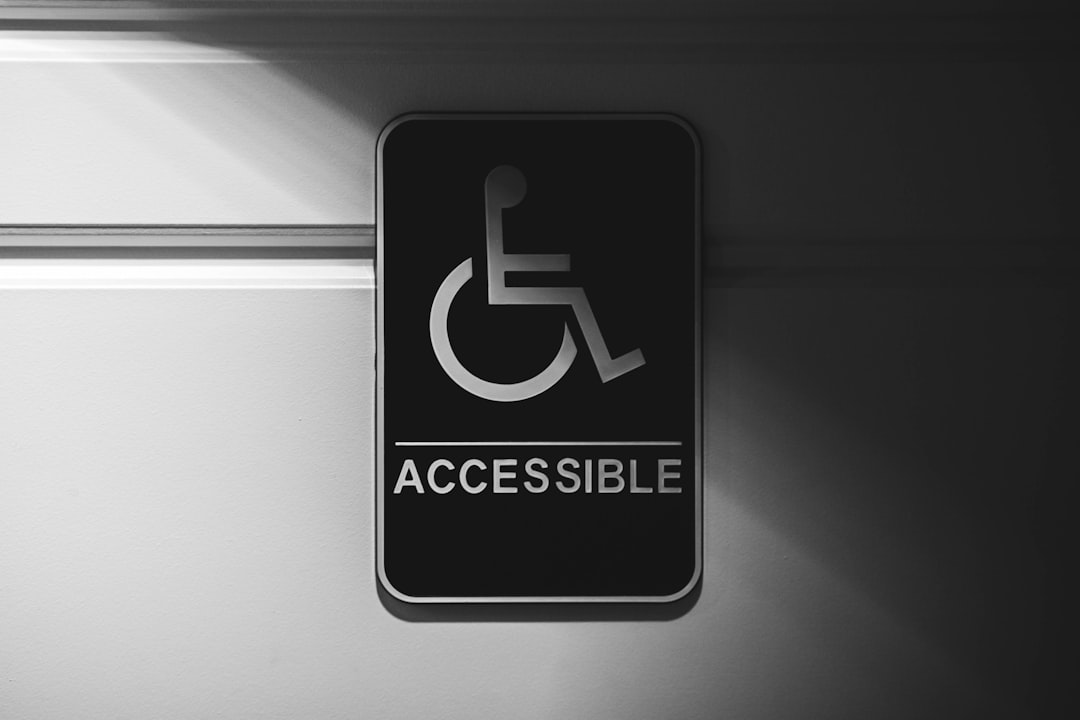
Introduction to Accessible Ebooks
In the digital age, accessible ebooks have become a cornerstone for inclusive reading experiences, ensuring that content is available to all users regardless of disabilities. The importance of converting ebooks into accessible formats cannot be overstated, as it opens doors for readers with visual impairments, cognitive disabilities, and other challenges. This article explores the best practices and tools for ebook conversion with a focus on accessibility, particularly emphasizing the role of the ePub accessibility standards.
Understanding the nuances of accessible ebook creation requires more than just converting file formats; it involves structuring content to be navigable, readable, and compatible with assistive technologies. Throughout this comprehensive guide, you will learn how to optimize your ebooks for accessibility, the key considerations during conversion, and practical tools to facilitate this process.
Understanding Accessible Ebooks and Their Importance
At its core, an accessible ebook is designed to be usable by people with a wide range of disabilities, including blindness, low vision, dyslexia, and motor impairments. This means the ebook must support screen readers, allow for text resizing, provide alternative text for images, and maintain a logical reading order. Accessibility in ebooks is not just a feature but a legal and ethical imperative in many regions, aligning with standards such as the Web Content Accessibility Guidelines (WCAG).
The ePub format, particularly ePub 3, is widely recognized for its robust support of accessibility features. It supports semantic markup, multimedia integration with captions, and navigation landmarks, making it a preferred choice for publishers aiming for inclusivity. For example, a well-structured ePub file will include properly tagged headings, lists, and tables, which screen readers can interpret correctly, enhancing the reading experience for users relying on assistive technologies.
Neglecting accessibility can lead to significant barriers, excluding a substantial portion of the population from accessing information. Moreover, accessible ebooks often improve usability for all readers, such as those reading on small screens or in challenging environments. The ripple effect of accessibility benefits everyone, making it a critical consideration in ebook production.
Key Insight: Creating accessible ebooks is not only about compliance but about expanding your audience and enhancing user experience universally.
Core Principles of Ebook Conversion Best Practices
Converting ebooks for accessibility involves adhering to several best practices that ensure the final product is both usable and compliant with accessibility standards. The process begins with understanding the source content and the target format’s capabilities. The ePub accessibility guidelines emphasize semantic structuring, which means using proper HTML tags for headings, paragraphs, lists, and other elements rather than relying on visual styling alone.
One crucial practice is embedding alternative text (alt text) for all images and graphics. This allows screen readers to describe visual content to users who cannot see it. For example, a chart in an ebook should have a descriptive alt attribute explaining its data and purpose rather than just a filename or generic description.
Another best practice is ensuring the reading order is logical and consistent. This involves verifying that the ebook’s internal markup follows the natural flow of the content, which is essential for assistive technologies to present information coherently. Tools that validate the reading order can help identify and correct issues before publication.
Additionally, the use of ARIA (Accessible Rich Internet Applications) roles and properties can enhance accessibility by providing extra context to screen readers. However, these should be used judiciously and in accordance with standards to avoid confusion.
Practical Tips:
- Use semantic HTML tags for structure
- Provide meaningful alt text for images
- Verify logical reading order
- Test with multiple screen readers
The implications of following these practices extend beyond accessibility compliance; they improve the overall quality and professionalism of the ebook, making it more engaging and easier to navigate for all users.
The Role of ePub Accessibility Standards in Ebook Conversion
The ePub accessibility standards, particularly those defined in the EPUB Accessibility 1.0 specification, provide a comprehensive framework for creating ebooks that are accessible to everyone. These standards build upon the capabilities of the ePub 3 format, integrating features that support assistive technology and improve usability.
Key aspects of ePub accessibility include:
- Use of semantic markup to define the structure and meaning of content
- Support for text-to-speech and media overlays
- Inclusion of alternative text for images and non-text content
- Navigation landmarks and page lists for easy movement through the ebook
For instance, an ebook that complies with ePub accessibility standards will allow users to jump between chapters, access descriptions of images, and listen to synchronized text and audio. This level of support is crucial for readers with disabilities and enhances the reading experience for all.
One common misconception is that simply converting a document to ePub format automatically ensures accessibility. However, without proper tagging and adherence to the standards, the ebook may still present barriers. Therefore, understanding and implementing the ePub accessibility guidelines is critical for producing truly accessible ebooks.
Key Takeaway: The ePub format combined with accessibility standards sets the foundation for inclusive digital publishing.
Tools and Software for Converting Ebooks to Accessible Formats
Selecting the right tools is essential for efficient and effective ebook conversion that meets accessibility requirements. Various software solutions and converters support the creation of accessible ebooks, ranging from professional-grade applications to free online converters.
Popular tools often include features such as:
- Semantic tagging and validation
- Accessibility checking and reporting
- Support for alternative text and ARIA roles
- Previewing with screen reader emulation
Using our free online converter, for example, you can convert documents into accessible ePub files while ensuring compliance with accessibility guidelines. This tool simplifies the process by automating many of the necessary steps, such as generating the correct markup and embedding alt text prompts.
Additionally, desktop applications like Sigil or Adobe InDesign offer advanced capabilities for manual editing and fine-tuning of ebook accessibility. These tools allow publishers to inspect the underlying HTML and CSS, ensuring that the ebook structure adheres to best practices.
When choosing a tool, consider factors such as:
- Level of accessibility support
- Ease of use
- Compatibility with your source formats
- Validation and testing features
Note: Regardless of the tool, manual review and testing with screen readers remain indispensable to guarantee accessibility.
Common Challenges in Ebook Accessibility Conversion and How to Overcome Them
Despite the availability of standards and tools, converting ebooks for accessibility presents several challenges. One frequent issue is the improper tagging of content, which can confuse screen readers and disrupt the reading flow. For example, using visual formatting like bold or font size to indicate headings without semantic tags can render the structure meaningless to assistive technologies.
Another challenge is providing effective alternative text for complex images such as infographics or charts. Simple descriptions may not convey the full information, requiring detailed explanations or supplemental text. This demands careful consideration and sometimes creative solutions to maintain accessibility without overwhelming the reader.
File size and format compatibility can also pose problems. Some accessible features, like media overlays or synchronized audio, increase file size and may not be supported on all reading devices. Balancing rich accessibility features with broad compatibility requires strategic decisions during conversion.
To overcome these challenges:
- Invest time in learning and applying semantic markup correctly
- Use accessibility validators to identify and fix issues
- Collaborate with accessibility experts when possible
- Test ebooks on multiple devices and with various assistive technologies
Insight: Accessibility is an ongoing process, not a one-time fix. Continuous improvement and user feedback are vital.
Practical Applications and Future Trends in Accessible Ebook Conversion
The practical applications of accessible ebook conversion extend across education, publishing, and digital libraries. Institutions benefit from providing materials that comply with accessibility laws and guidelines, ensuring equitable access for all students and readers.
Publishers who prioritize accessibility often see expanded market reach and enhanced reputation. Accessible ebooks also support lifelong learning and enable content consumption in diverse environments, such as hands-free or audio-only scenarios.
Looking forward, emerging technologies like AI-driven content tagging and automated accessibility checking promise to streamline the conversion process further. Additionally, the integration of multimedia and interactive elements in ebooks will require evolving standards and tools to maintain accessibility.
Staying informed about these trends and continuously updating workflows will help content creators and publishers maintain compliance and deliver superior reading experiences.
Future Outlook: The synergy between technology advancements and accessibility standards will shape the next generation of inclusive digital publishing.
Conclusion
Converting ebooks for accessibility is a multifaceted endeavor that demands attention to detail, adherence to standards, and the right tools. By embracing ebook conversion best practices and leveraging the robust capabilities of the ePub format, content creators can produce inclusive ebooks that serve a broad audience.
Remember to prioritize semantic markup, alternative text, logical reading order, and thorough testing to ensure your ebooks meet accessibility expectations. Using versatile tools, including our free online converter, can simplify this process while maintaining quality.
As the digital landscape evolves, staying current with accessibility guidelines and technologies will empower you to create ebooks that are not only compliant but truly accessible and engaging.
For further exploration, consider learning about related formats such as PDF and DAISY, which also play roles in accessible publishing, and how multimedia formats like MP4 can be integrated into enriched ebook experiences.
Final Thought: Accessibility is a journey—commit to it fully to unlock the full potential of digital reading for everyone.
Frequently Asked Questions
How can I ensure the alternative text I provide for images is effective for accessibility?
Effective alternative text should be concise yet descriptive enough to convey the essential information or purpose of the image. For complex images like charts or infographics, consider providing extended descriptions or supplemental text to fully communicate the content. Testing alt text with screen readers can help ensure clarity and usefulness.
What are the best ways to test if an ebook is truly accessible?
Testing involves using multiple screen readers across different platforms, validating the ebook with accessibility checkers, and performing manual reviews of semantic structure and navigation. Tools like EPUBCheck combined with real-world testing on devices and software ensure comprehensive accessibility verification.
Can I convert PDFs to accessible ebooks, and what challenges might I face?
Yes, PDFs can be converted to accessible ebook formats like ePub, but challenges include extracting semantic structure and ensuring tagged content translates properly. PDFs often lack proper tagging, so conversion tools must reconstruct headings, lists, and alt text to achieve accessibility, which may require manual intervention.
Why is the reading order important in accessible ebooks?
Reading order determines how content is presented to assistive technologies like screen readers. A logical and consistent reading order ensures users receive information in the intended sequence, preventing confusion and improving comprehension. Incorrect reading order can render content inaccessible or misleading.
Are there automated tools that guarantee 100% accessible ebook conversion?
While automated tools can significantly aid in ebook conversion and accessibility, no tool guarantees 100% compliance due to the complexity of content and context. Manual review, testing, and adjustments remain essential to address nuances that automation may miss.
How does the ePub format compare to other ebook formats regarding accessibility?
The ePub format, especially ePub 3, is widely regarded as the most accessible ebook format due to its support for semantic markup, multimedia, and navigation landmarks. Other formats like PDF or MOBI may lack these features or require additional work to achieve similar accessibility levels.
Related Articles
Ready to Convert Your Files?
Use our free online file converter supporting 240+ formats. No signup required, fast processing, and secure handling of your files.
Convert Files