Introduction to WebP and Image Optimization
In today’s fast-paced digital world, web performance is paramount to delivering a seamless user experience. One of the most effective ways to enhance website speed and responsiveness is through image optimization. Images often constitute the largest portion of a webpage’s data, so optimizing them can drastically reduce load times. Among the various image formats, WebP has emerged as a leading choice for balancing quality and compression.
The process to convert images to WebP is gaining traction because it offers superior compression rates without sacrificing visual fidelity. This article explores why WebP is a game-changer in image optimization, how it works, and practical steps to implement it effectively for better web performance.
Key Insight: Optimizing images by converting to WebP can reduce file sizes by approximately 25-35% compared to traditional formats like JPEG and PNG, leading to faster page loads and improved SEO.
Understanding the WebP Image Format
The WebP format is a modern image format developed by Google that provides both lossy and lossless compression. Unlike older formats such as JPEG or PNG, WebP combines the best of both worlds: it supports transparency like PNG and achieves compression rates closer to JPEG. This dual capability makes it highly versatile for various web use cases.
WebP achieves compression through advanced techniques derived from the VP8 video codec, enabling it to maintain high image quality at significantly reduced file sizes. The format supports features like animation and alpha transparency, making it suitable for complex graphics and UI elements.
For example, a typical photographic image saved as a JPEG might be around 500 KB, while the same image converted to WebP could be compressed down to roughly 300 KB with minimal perceptible quality loss. Similarly, images with transparent backgrounds saved as PNGs can be converted to WebP losslessly, often reducing their size by 30% or more.
Despite being a relatively new format, WebP has gained widespread support across major browsers, including Chrome, Firefox, Edge, and Opera. This broad compatibility ensures that websites can leverage WebP without alienating users on popular platforms.
Misconception Alert: Some believe WebP is only for lossy compression, but it fully supports lossless compression, making it a flexible choice for different image needs.
For a detailed technical overview, see the WebP Wikipedia page.
Why Convert Images to WebP for Web Performance?
The primary motivation behind converting images to WebP is improving web performance. Faster-loading websites not only enhance user experience but also positively impact search engine rankings. Since images often account for over 50% of a webpage’s total size, optimizing them can yield substantial speed gains.
WebP’s superior compression reduces bandwidth consumption, which is especially critical for mobile users or those with limited data plans. By converting high-resolution images from formats like PNG or JPEG to WebP, websites can cut down on load times by seconds, a difference that can reduce bounce rates and increase engagement.
Moreover, WebP supports both lossy and lossless compression, allowing developers to choose the right balance between quality and file size based on the image type. For instance, photographic content benefits from lossy WebP compression, while graphics with sharp edges and transparency are better suited for lossless WebP.
Practical Application: Many leading websites and content delivery networks (CDNs) automatically convert images to WebP on the fly, demonstrating the format’s effectiveness in real-world scenarios.
To understand image optimization in a broader context, visit the Image Optimization Wikipedia page.
How WebP Compression Works: Lossy vs Lossless
WebP uses two primary compression methods: lossy and lossless. Each serves different purposes and is suited to different types of images.
Lossy WebP compression is based on the VP8 video codec technology, which removes some image data to reduce file size while maintaining visual quality. This method is ideal for photographs and complex images where slight quality loss is imperceptible to the human eye. The compression algorithm analyzes image blocks and discards less important information, achieving significant size reduction.
Lossless WebP compression, on the other hand, preserves all original image data. It employs techniques like spatial prediction, entropy coding, and color cache to compress images without any quality degradation. This makes it perfect for images requiring transparency or sharp edges, such as logos or icons.
For example, a lossless WebP image of a logo might be 25-35% smaller than the original PNG file, whereas a lossy WebP photograph could be compressed to 30-40% of the original JPEG size.
Important Note: Choosing between lossy and lossless compression depends on the image content and the desired balance between quality and file size.
Learn more about image compression techniques at the Image Compression Wikipedia page.
Browser and Platform Support for WebP
One of the most common concerns when considering converting images to WebP is browser compatibility. Fortunately, WebP enjoys broad support across all major modern browsers, including Google Chrome, Mozilla Firefox, Microsoft Edge, and Opera. Safari has also added support in recent versions, making WebP a safe choice for most users.
However, some older browsers and legacy systems may not support WebP natively. To address this, web developers often implement fallback mechanisms that serve traditional formats like JPEG or PNG when WebP is unsupported. This ensures all users receive an optimized experience regardless of their browser.
Additionally, popular content management systems (CMS) and image delivery networks have integrated WebP support, allowing automatic conversion and delivery of WebP images to compatible browsers.
Tip for Developers: Use the
<picture>element in HTML to provide WebP images with fallback options, ensuring graceful degradation.For detailed browser compatibility data, refer to the WebP Browser Support resource.
Practical Steps to Convert Images to WebP
Converting images to WebP can be straightforward with the right tools and workflow. Here are practical approaches to get started:
- Using Command-Line Tools: Utilities like
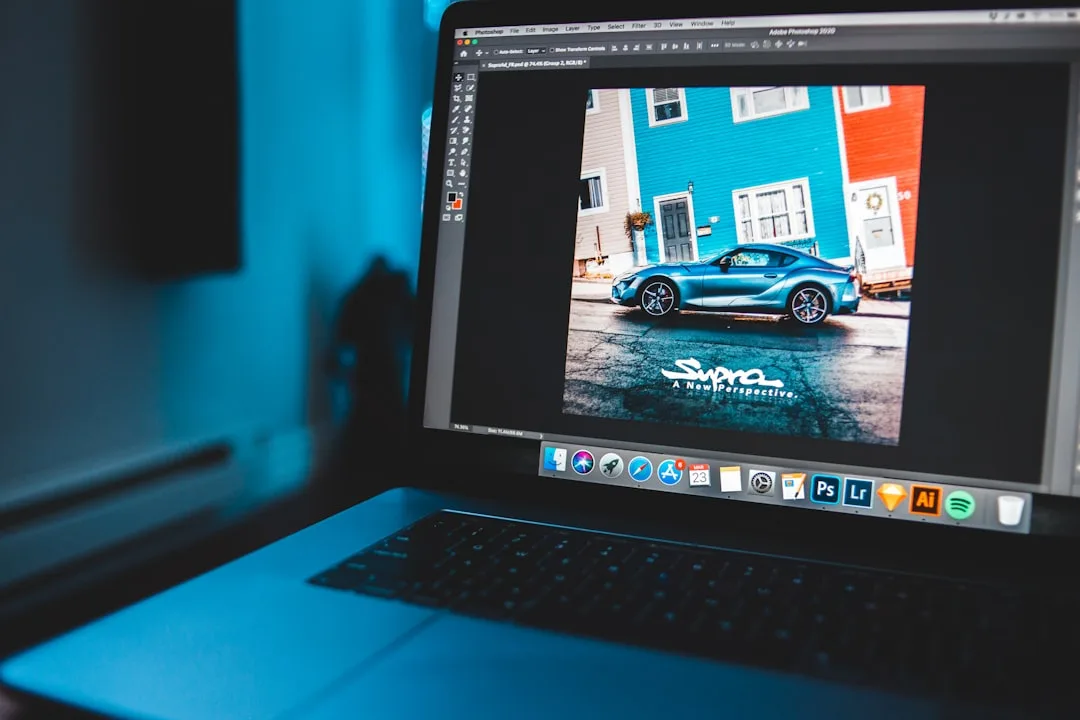
cwebpfrom the WebP library allow batch conversion with customizable quality settings. This method suits developers comfortable with terminal commands. - Image Editing Software: Popular editors such as Adobe Photoshop support WebP export via plugins or native functionality, enabling manual conversion during editing.
- Online Conversion Tools: Our free online converter offers a quick and user-friendly way to convert images to WebP without installing software.
- Automated Build Processes: Incorporate WebP conversion into your website’s build pipeline using tools like Gulp or Webpack plugins to automate optimization.
When converting, consider the image’s use case to select appropriate compression settings. For example, use higher quality settings for hero images and more aggressive compression for thumbnails.
Best Practice: Always test converted images across devices and browsers to ensure quality and compatibility.
For more on image format conversions, see the PNG extension and JPG extension pages.
Comparing WebP with Other Image Formats
Understanding how WebP stacks up against traditional formats clarifies why conversion is beneficial. Here’s a comparison:
| Format | Compression Type | Transparency Support | Typical File Size | Browser Support |
|---|---|---|---|---|
| JPEG | Lossy | No | Medium to Large | Universal |
| PNG | Lossless | Yes | Large | Universal |
| WebP | Lossy & Lossless | Yes | Small to Medium | Most modern browsers |
WebP’s ability to offer both lossy and lossless compression with transparency support gives it an edge over JPEG and PNG. It typically produces smaller files without compromising quality, which translates directly into faster page loads.
Critical Insight: While JPEGs are still widely used for photographic images, converting these to WebP can reduce file sizes by approximately 25-35%, a substantial saving for bandwidth and speed.
For a deeper dive, explore the WebP extension page.
Common Misconceptions and Challenges in Using WebP
Despite its advantages, several misconceptions about WebP persist. One is that WebP images always degrade quality. In reality, WebP supports lossless compression, so quality loss is optional and controllable.
Another challenge is legacy browser support. While most modern browsers support WebP, some older or niche browsers do not. This requires fallback strategies, which can add complexity to web development.
Additionally, some content management systems and image editing tools may lack native WebP support, necessitating plugins or external conversion steps.
Practical Tip: Test your website’s image delivery on multiple browsers and devices to ensure fallback images load correctly when WebP is unsupported.
For more on image formats and compatibility, consult the Image file formats Wikipedia page.
Conclusion: Embracing WebP for Enhanced Web Performance
Converting images to WebP is a powerful strategy for optimizing web performance. By leveraging its advanced compression capabilities, websites can deliver faster load times, reduce bandwidth usage, and improve user experience. The format’s support for both lossy and lossless compression, along with transparency and animation, makes it a versatile choice for a wide range of images.
While some challenges like browser compatibility exist, they can be effectively managed with fallback techniques and modern web development practices. Utilizing tools such as our free online converter or integrating WebP conversion into your build process can streamline adoption.
To continue optimizing your digital media, consider exploring related format conversions such as MP4 for video or JPEG and PNG for images where WebP might not be suitable.
Final Thought: The most critical factor in web optimization is balancing quality and performance, and converting images to WebP is a proven method to achieve this balance effectively.
Frequently Asked Questions
Introduction to WebP and Image Optimization In today’s fast-paced digital world, web performance is paramount to delivering a seamless user experience. One of the most effective ways to enhance website speed and responsiveness is through image optimization. Images often constitute the largest portion of a webpage’s data, so optimizing them can drastically reduce load times. Among the various image formats, WebP has emerged as a leading choice for balancing quality and compression. The process to convert images to WebP is gaining traction because it offers superior compression rates without sacrificing visual fidelity. This article explores why WebP is a game-changer in image optimization, how it works, and practical steps to implement it effectively for better web performance. Key Insight: Optimizing images by converting to WebP can reduce file sizes by approximately 25-35% compared to traditional formats like JPEG and PNG, leading to faster page loads and improved SEO. Understanding the WebP Image Format The WebP format is a modern image format developed by Google that provides both lossy and lossless compression. Unlike older formats such as JPEG or PNG, WebP combines the best of both worlds: it supports transparency like PNG and achieves compression rates closer to JPEG. This dual capability makes it highly versatile for various web use cases. WebP achieves compression through advanced techniques derived from the VP8 video codec, enabling it to maintain high image quality at significantly reduced file sizes. The format supports features like animation and alpha transparency, making it suitable for complex graphics and UI elements. For example, a typical photographic image saved as a JPEG might be around 500 KB, while the same image converted to WebP could be compressed down to roughly 300 KB with minimal perceptible quality loss. Similarly, images with transparent backgrounds saved as PNGs can be converted to WebP losslessly, often reducing their size by 30% or more. Despite being a relatively new format, WebP has gained widespread support across major browsers, including Chrome, Firefox, Edge, and Opera. This broad compatibility ensures that websites can leverage WebP without alienating users on popular platforms. Misconception Alert: Some believe WebP is only for lossy compression, but it fully supports lossless compression, making it a flexible choice for different image needs. For a detailed technical overview, see the WebP Wikipedia page. Why Convert Images to WebP for Web Performance?
The primary motivation behind converting images to WebP is improving web performance. Faster-loading websites not only enhance user experience but also positively impact search engine rankings. Since images often account for over 50% of a webpage’s total size, optimizing them can yield substantial speed gains.
Related Articles


Ready to Convert Your Files?
Use our free online file converter supporting 240+ formats. No signup required, fast processing, and secure handling of your files.
Convert Files