Introduction to Ebook Optimization
In today’s digital landscape, optimizing ebooks for various devices and formats is essential for delivering a seamless reading experience. Readers access ebooks on a myriad of devices, from dedicated e-readers and tablets to smartphones and desktop computers. Each device has its own display characteristics, supported formats, and user expectations, making device compatibility a critical factor in ebook publishing.
Understanding the nuances of ebook formats and how they interact with different hardware and software environments allows authors, publishers, and developers to tailor content effectively. This article explores the complexities of ebook optimization, covering everything from format selection to layout adjustments, ensuring your ebooks look great and function flawlessly across platforms.
Key Insight: Optimizing ebooks is not merely about file conversion but about enhancing readability, accessibility, and performance across diverse devices.
Understanding Ebook Formats and Their Impact
One of the foundational steps in optimizing ebooks is grasping the variety of ebook formats available and their compatibility with different devices. The most common formats include EPUB, MOBI, PDF, and AZW, each with unique features and limitations. For example, the EPUB format is widely supported across many e-readers and apps due to its flexibility and reflowable content, whereas the PDF format preserves fixed layouts but can be less adaptable to small screens.
The MOBI format is primarily used by Amazon Kindle devices, though newer Kindles also support EPUB through conversion. AZW is Amazon’s proprietary format, optimized for Kindle but less compatible elsewhere. Choosing the right format depends heavily on your target audience’s devices.
Misconception Alert: Many believe PDFs are ideal for all ebooks because of their fixed layout, but this often leads to poor user experience on small devices due to lack of text reflow.
To illustrate, consider a novel versus a graphic-heavy textbook. A novel benefits from reflowable text in EPUB or MOBI, adapting font sizes and layouts dynamically. Conversely, a textbook with complex formatting might require PDF to maintain visual integrity.
Practical tips:
- Use EPUB for general fiction and non-technical content.
- Consider MOBI or AZW for Amazon Kindle users.
- Reserve PDF for documents where layout fidelity is paramount.
Incorporating these format considerations early in the ebook creation process can significantly improve device compatibility and reader satisfaction.
How Device Compatibility Influences Ebook Design
Optimizing ebooks extends beyond format selection to understanding how different devices render content. Devices vary widely in screen size, resolution, color capabilities, and supported features like interactive content or embedded fonts.
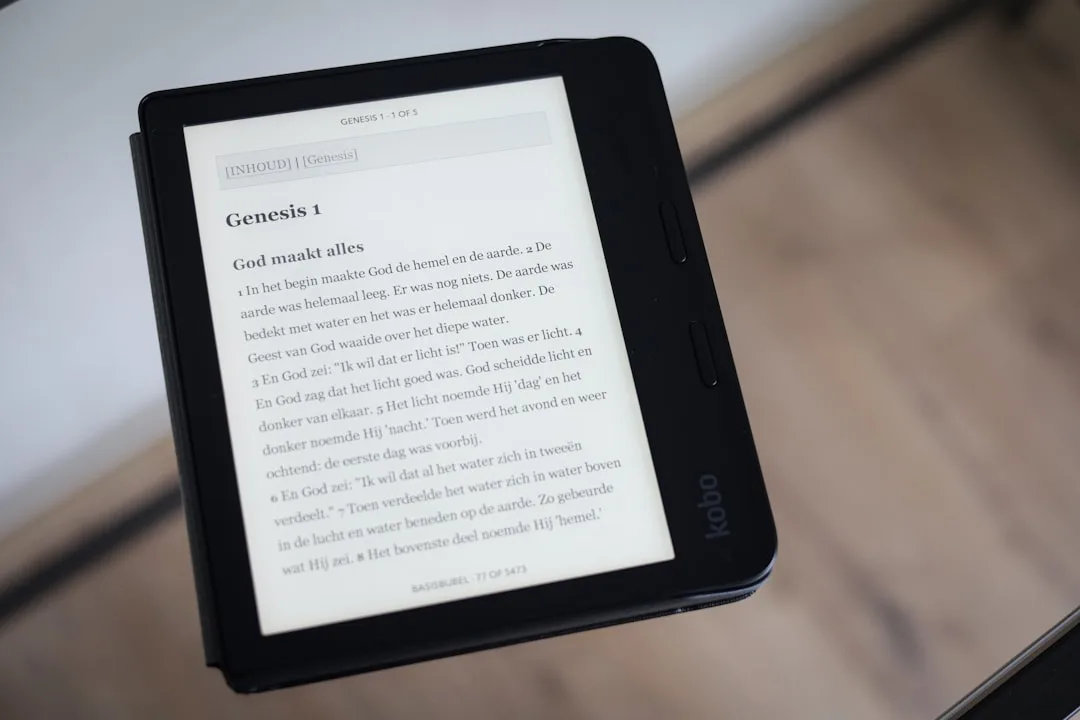
For instance, dedicated e-readers like Kindle or Kobo often have e-ink displays with limited color support and slower refresh rates, favoring simple, clean layouts. Tablets and smartphones, however, support vibrant colors, touch interactivity, and multimedia elements.
This diversity requires ebook designers to:
- Implement responsive layouts that adjust to screen size and orientation.
- Use scalable fonts and images to maintain readability.
- Avoid fixed-width designs that can cause horizontal scrolling.
Key Takeaway: Designing for device compatibility means embracing flexibility and adaptability to ensure content is accessible and visually appealing on all platforms.
For example, embedding scalable vector graphics (SVG) instead of raster images can improve clarity on high-resolution displays. Similarly, using CSS media queries in EPUB files allows for dynamic styling based on device characteristics.
Moreover, some devices support advanced features like audio narration or interactive quizzes, which can be integrated into EPUB3 files but may not function on older readers.
Understanding these device-specific capabilities enables creators to tailor ebooks that maximize engagement and usability.
Techniques to Optimize Ebook Layout and Formatting
Optimizing the layout and formatting of ebooks is crucial for enhancing the reading experience across devices. Unlike print books, ebooks must accommodate dynamic text flow and user customization such as font size and background color.
Key techniques include:
- Utilizing reflowable text: Formats like EPUB support text that adjusts fluidly to screen size, unlike fixed-layout PDFs.
- Implementing CSS stylesheets: Custom CSS controls typography, spacing, and element positioning, allowing consistent styling.
- Optimizing images: Use compressed, appropriately sized images in formats like JPEG or PNG to balance quality and file size. For example, embedding a JPG image with optimized resolution ensures fast loading without sacrificing clarity.
- Avoiding excessive use of complex formatting: Overuse of tables, multi-column layouts, or embedded fonts can cause rendering issues on some devices.
Common Mistake: Embedding large, uncompressed images can bloat ebook file size, leading to slow loading and poor performance on low-end devices.
Additionally, authors should test ebooks on multiple devices and apps to verify consistent appearance. Tools that simulate device environments or preview different formats can aid this process.
By applying these techniques, ebooks become more accessible, visually coherent, and enjoyable for readers regardless of their device.
Choosing the Right Ebook Format for Your Audience
Selecting the appropriate ebook format is a strategic decision influenced by your target audience’s preferences and devices. Understanding the demographics and common reading platforms helps tailor the ebook for maximum reach and compatibility.
For example, if your audience predominantly uses Amazon Kindle devices, distributing your ebook in MOBI or AZW formats ensures smooth integration with Kindle’s ecosystem. Conversely, if your readers use a variety of devices, the EPUB format offers broad compatibility with apps like Apple Books, Google Play Books, and Kobo.
Insight: Providing multiple formats can increase accessibility but requires careful management to maintain consistent content across versions.
Some authors also consider PDFs for academic or professional audiences who prioritize precise formatting, though this comes at the cost of reduced flexibility on smaller screens.
Summary of format-device compatibility:
| Format | Best For | Device Compatibility | Key Features |
|---|---|---|---|
| EPUB | General ebooks | Most e-readers, tablets, smartphones | Reflowable text, CSS styling |
| MOBI | Amazon Kindle users | Kindle devices, apps | Proprietary, supports DRM |
| AZW | Kindle ecosystem | Kindle devices | Amazon’s proprietary format |
| Print-like documents | All devices (limited reflow) | Fixed layout, print fidelity |
Choosing the right format ensures your ebook is both accessible and enjoyable, reducing barriers for your readers.
Tools and Methods for Ebook Conversion and Optimization
Converting and optimizing ebooks for multiple formats and devices requires specialized tools and workflows. Many software solutions support conversion between popular formats while allowing customization of layout and metadata.
Popular approaches include:
- Using open-source tools like Calibre, which supports conversion between EPUB, MOBI, and PDF with options to tweak formatting.
- Employing command-line utilities for batch processing and automation.
- Leveraging online converters integrated into publishing platforms for streamlined workflows.
Best Practice: Always validate the converted ebook on multiple devices or emulators before distribution to catch formatting inconsistencies.
Optimization also involves compressing images, embedding fonts selectively, and adjusting metadata for discoverability. For example, reducing image sizes without compromising quality can significantly improve loading times, especially on mobile devices.
Our free online converter tool allows users to convert and optimize ebooks quickly, supporting various formats to enhance device compatibility without requiring technical expertise.
Addressing Common Challenges in Ebook Optimization
Despite best efforts, several challenges arise when optimizing ebooks for diverse devices and formats. These include:
- Inconsistent rendering: Different readers and apps may interpret formatting rules differently, causing layout shifts.
- Limited support for multimedia: While EPUB3 supports audio, video, and interactivity, many devices lack full support.
- Font embedding issues: Some devices restrict embedded fonts, leading to fallback fonts that alter appearance.
- File size constraints: Large ebooks can be slow to download or open, especially on mobile networks.
Critical Warning: Ignoring these challenges can lead to poor user experience, negative reviews, and reduced readership.
To mitigate these issues, creators should:
- Test extensively across popular devices and apps.
- Use simple, clean formatting compatible with the lowest common denominator device.
- Optimize media assets and avoid unnecessary embedded fonts.
- Provide clear instructions for readers on compatible devices and apps.
By proactively addressing these challenges, ebook publishers can ensure their content reaches and delights a broad audience.
Conclusion: Enhancing Ebook Reach Through Optimization
Optimizing ebooks for different devices and formats is a multifaceted process that demands understanding of ebook formats, device capabilities, and user expectations. By carefully selecting formats like EPUB or MOBI, designing flexible layouts, and employing effective conversion tools, authors and publishers can maximize device compatibility and reader satisfaction.
Final Thought: The most critical factor in ebook optimization is balancing technical precision with reader-centric design to create accessible, enjoyable digital reading experiences.
For those looking to expand their knowledge, exploring related topics such as PDF format optimization or image handling with formats like JPG can provide deeper insights. Utilizing our free online converter can also simplify the process of adapting ebooks to diverse platforms.
Embrace these strategies to future-proof your ebooks and reach readers wherever they choose to read.
Frequently Asked Questions
How Device Compatibility Influences Ebook Design?
Optimizing ebooks extends beyond format selection to understanding how different devices render content. Devices vary widely in screen size, resolution, color capabilities, and supported features like interactive content or embedded fonts.
Related Articles


Ready to Convert Your Files?
Use our free online file converter supporting 240+ formats. No signup required, fast processing, and secure handling of your files.
Convert Files